Source waterjet direct drive pump for fabric, leather, and stone
Compare 30 listings for the waterjet direct drive pump, featuring hydraulic power sources and pressures up to 60000psi. Buyers can evaluate specifications like voltage, weight, and certifications for applications in fabric, leather, and stone processing.
Key considerations
Products List


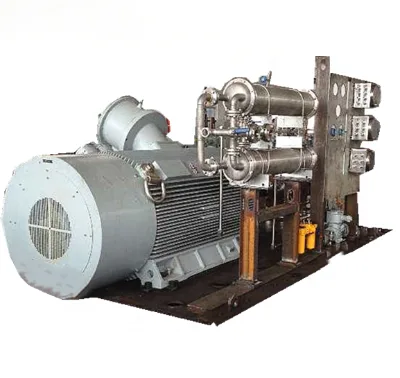


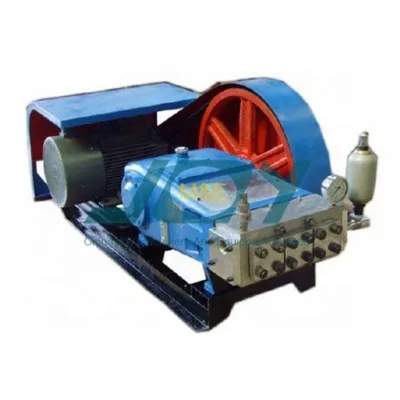


$10000.00 - $40000.00
Moq: 1
Comprehensive Sourcing Guide
Strategic Sourcing Guide for Waterjet Direct Drive Pumps
The industrial landscape for high-pressure fluid systems relies heavily on the reliability of the waterjet direct drive pump, a critical component that dictates the efficiency and precision of cutting operations. For procurement professionals, sourcing this specific machinery requires a nuanced understanding of technical parameters, regulatory compliance, and supply chain dynamics. This guide synthesizes available market data to provide a disciplined framework for evaluating potential suppliers and products, ensuring that procurement decisions are grounded in verified facts rather than speculative marketing claims. The focus remains on the direct drive pump mechanism, which serves as the heart of waterjet cutting systems used across diverse manufacturing sectors.
Technical Specifications and Performance Parameters
When evaluating a waterjet direct drive pump, the primary technical differentiator is the maximum operating pressure, which directly influences cutting speed and material versatility. Market observations indicate that high-performance units in this category often operate within a pressure range of 55,000 to 60,000 psi. This corresponds to a metric measurement of approximately 600 MPa, a standard threshold for heavy-duty industrial cutting applications. Buyers must verify that the specific unit they are considering meets these pressure ratings, as lower pressures may result in inefficient cutting of dense materials like stone or metal.
The power source and electrical requirements are equally critical for facility integration. While some systems utilize hydraulic power sources, the direct drive pumps discussed in current market listings frequently operate on electric power. Specific voltage configurations observed include 220V and 380V, with a rated power consumption often cited around 37kW at 50Hz. This electrical specification dictates the necessary infrastructure upgrades required at the installation site. Furthermore, the physical dimensions and weight of the unit are essential for logistics planning. A typical direct drive pump assembly may weigh approximately 1,025 kg, requiring robust flooring and specialized lifting equipment for installation. The physical footprint is often standardized, with dimensions such as 1,473mm by 1,205mm by 1,056mm being common reference points for container loading and factory floor layout.
Material Composition and Construction Standards
The durability of a waterjet pump is intrinsically linked to the materials used in its construction. Stainless steel is the predominant material observed in high-quality direct drive pumps, offering the necessary corrosion resistance and structural integrity to withstand extreme pressures. The internal components, such as the high-pressure cylinder and nozzle body, must be fabricated from materials capable of resisting erosion from abrasive water streams. In some specific component listings, the material specification is explicitly noted as stainless steel, ensuring longevity in harsh industrial environments.
The construction standards also extend to the packing and shipping specifications. To prevent damage during transit, these heavy units are typically enclosed in wooden packing cases for the exterior, providing a rigid shell against impact. Internal protection may involve soft packing materials to cushion sensitive components. This dual-layer approach ensures that the pump arrives in pristine condition, ready for immediate installation. Buyers should verify that the packaging standard aligns with international shipping requirements, particularly for units originating from major manufacturing hubs like Shanghai, China, where a significant portion of this equipment is produced.
Compliance, Certification, and Regulatory Adherence
Navigating the regulatory landscape is a non-negotiable aspect of B2B procurement. The waterjet direct drive pump market is characterized by a demand for specific certifications that validate safety and quality management. The CE mark is a frequently observed certification, indicating compliance with European health, safety, and environmental protection standards. Additionally, ISO 9001 certification is a standard requirement for manufacturers, signifying that the production process adheres to rigorous quality management systems. Some listings combine these certifications, displaying "CE ISO" or "ISO 9001:RoHS, CE" to demonstrate comprehensive adherence to global standards.
It is crucial for buyers to distinguish between the certification of the pump itself and the certification of the broader waterjet cutting machine system. While the pump is a critical subsystem, the overall machine certification may vary. Procurement teams must request valid certification documents for the specific model number, such as the YH-DDP-30 or DDP-30, to ensure that the unit is legally compliant for operation in the target market. Relying on general claims without verifying the specific certificate for the purchased model can lead to compliance risks and operational delays.
Cost Drivers and Procurement Economics
The pricing structure for waterjet direct drive pumps is influenced by several variables, including pressure capacity, material quality, and customization options. The observed price range in the market is extensive, spanning from $1 to nearly $60,000 USD. This wide variance suggests that the market includes both individual spare parts and complete pump assemblies. Buyers must clearly define whether they are sourcing a full pump unit or specific components, such as the high-pressure cylinder or nozzle body, to avoid budget misalignment.
The Minimum Order Quantity (MOQ) is another significant economic factor. In this sector, the MOQ is often set at a single piece for waterjet pumps and parts, facilitating procurement for small-scale operations or replacement needs. However, for larger orders or custom configurations, the MOQ may increase, with some listings indicating thresholds up to 200 units. Customization is a key value driver, with many suppliers offering tailored solutions to meet specific application requirements. Buyers should assess the cost implications of customization, as bespoke features may impact the final unit price and lead time. Understanding these cost drivers allows for more accurate budget forecasting and negotiation strategies.
Supplier Evaluation and Manufacturing Capabilities
Selecting the right supplier requires a thorough evaluation of their manufacturing capabilities and market position. The majority of direct drive pump suppliers in the current market are manufacturers based in Shanghai, China, indicating a concentrated industrial hub for this technology. These entities typically identify as manufacturers rather than trading companies, which can offer advantages in terms of direct communication, technical support, and pricing. The main product focus for these suppliers often includes both waterjet cutting machines and spare parts, suggesting a comprehensive understanding of the ecosystem.
When evaluating a supplier, buyers should verify the company type and location details. A manufacturer in Shanghai with a focus on waterjet technology is likely to have the necessary expertise to support the product lifecycle. However, buyers must remain vigilant against unverified claims. It is essential to confirm the supplier's ability to provide after-sales support, including warranty coverage. A standard warranty period of one year is commonly observed, but this should be explicitly confirmed in the purchase agreement. Additionally, the availability of spare parts, such as the high-pressure tube or nozzle body, is a critical indicator of long-term supplier viability.
Quality Control and Application Suitability
Quality control in the waterjet pump sector is paramount due to the extreme operating conditions. The pump must be capable of handling a wide range of materials, including fabric, leather, plastic, stone, glass, ceramic, rubber, metal, and paper. The versatility of the application is a testament to the pump's performance, but it also places a high burden on the quality of the internal seals and pressure chambers. Buyers should inquire about the specific testing protocols used by the manufacturer to ensure that the pump can consistently deliver the required pressure without failure.
The application scope also dictates the required features of the pump. For instance, cutting ceramics and stones may require different pressure dynamics compared to cutting soft materials like fabric. The control system of the pump, often automatic, plays a significant role in maintaining consistency. Some systems utilize a cantilever style or three-axis configuration, which may influence the integration of the pump into the overall machine structure. Buyers must ensure that the pump's specifications align with the intended application, verifying that the pressure and flow rates are suitable for the specific materials being processed.
Long-Term Procurement and Maintenance Considerations
Sourcing a waterjet direct drive pump is not merely a transactional event but a strategic decision with long-term implications. The maintenance requirements of the pump, including the frequency of part replacements and the availability of technical support, should be factored into the total cost of ownership. The use of stainless steel and high-quality packing materials suggests a design focused on durability, but regular maintenance is still necessary to sustain performance.
Buyers should also consider the lead time and logistics associated with the procurement. While specific lead times may vary, the origin of the product, typically Shanghai, China, implies international shipping requirements. The packing standard, whether wooden or carton, affects the shipping cost and handling procedures. Establishing a relationship with a supplier that offers reliable logistics and clear communication channels is essential for minimizing downtime. Furthermore, the warranty terms, typically one year, should be reviewed to understand the coverage for defects and the process for claiming repairs or replacements. By focusing on these long-term considerations, buyers can ensure a sustainable and efficient procurement process for their waterjet operations.
FAQs
What is the maximum pressure rating for the waterjet direct drive pump?
The maximum pressure rating is 600 MPa, which corresponds to 60000 psi. This high pressure enables cutting of dense materials like stone, metal, and glass effectively.
Which certifications does the pump meet for safety and quality?
The pump holds CE and ISO 9001 certifications, often listed as CE ISO or ISO 9001:RoHS, CE. These ensure compliance with European safety standards and global quality management systems.
How much does the direct drive pump weigh for shipping?
The pump weighs approximately 1025 kg. This significant weight requires robust flooring and specialized lifting equipment for installation at the facility.
Can the pump be customized for specific industrial applications?
Yes, customization is available for the waterjet direct drive pump. Buyers can request tailored solutions to meet specific application requirements for various materials.
What is the minimum order quantity for purchasing this pump?
The minimum order quantity is one piece for the waterjet pump. This allows small-scale operations or replacement needs to procure the unit without bulk commitments.
Where is the waterjet direct drive pump manufactured?
The product originates from Shanghai, China. This location is a major manufacturing hub for waterjet cutting machines and spare parts.
What material is used to construct the pump body?
The pump is constructed from stainless steel. This material provides necessary corrosion resistance and structural integrity to withstand extreme operating pressures.